
Introduction
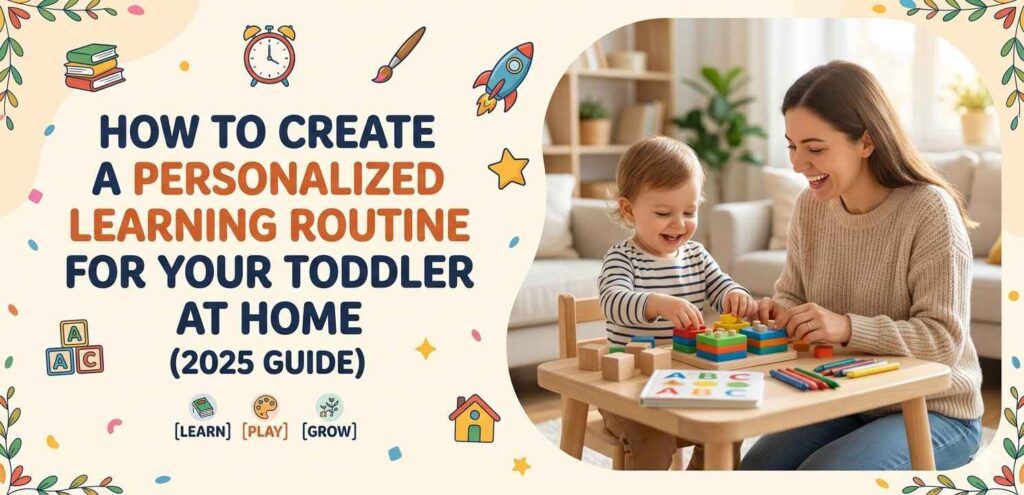
Building a personalized learning routine for your toddler at home is one of the most valuable things you can do as a parent — and honestly, it’s not as complicated as it sounds.
Most parents feel pressure to follow some rigid schedule they found online, and then wonder why their toddler just won’t cooperate. The truth is, every child is different. What works for one might completely frustrate another. That’s why “personalized” is the key word here.
This guide is for parents who want practical, real-world advice — not perfect Pinterest routines or expensive learning kits.
Why a Learning Routine Matters for Toddlers
Toddlers thrive on consistency. When your child knows what to expect next, they feel safer, calmer, and actually more open to learning.
A well-planned personalized learning routine for your toddler does more than teach colors and numbers. It builds focus, emotional regulation, curiosity, and language skills — all at the same time.
Research from early childhood development consistently shows that structured play and daily learning routines between ages 1–4 lay a strong cognitive foundation. This doesn’t mean drilling flashcards. It means creating predictable, joyful moments of discovery every day.
Step 1: Understand Your Toddler’s Learning Style
Before you build any kind of routine, you need to observe your child for a week or two. Seriously — just watch them.
Does Your Toddler Prefer:
- Movement? They like to roll, jump, clap, dance, or build things. These are kinesthetic learners.
- Visuals? They’re drawn to picture books, colors, or watching how things work.
- Sounds and language? They repeat words, love songs, or react strongly to your voice.
Once you figure this out, you can design a personalized learning routine for your toddler that fits naturally around how their brain already works — not against it.
Step 2: Set a Flexible but Consistent Daily Schedule
You don’t need a minute-by-minute timetable. What you need is a reliable rhythm — wake up, eat, learn, play, rest, repeat.
A simple structure might look like this:
- Morning (30–45 min): Calm activity like reading, puzzles, or sorting shapes
- Mid-morning (20–30 min): Active learning — dancing to alphabet songs, outdoor exploration
- After lunch (15–20 min): Creative play — drawing, clay, or pretend games
- Late afternoon: Free play, sensory bins, or story time
This gives you a personalized learning routine for your toddler that’s manageable for you and enjoyable for them. Flexibility matters — if they’re tired or cranky, skip a session. No guilt needed.
Step 3: Choose Age-Appropriate Activities
For Ages 1–2 Years
Focus on sensory experiences and simple language. Fill a bin with dry rice and small cups — they’ll pour and refill for 20 minutes while developing fine motor skills. Name everything out loud. “You’re pouring the rice. Into the cup. Now it’s full!”
For Ages 2–3 Years
Introduce matching games, simple puzzles (4–6 pieces), and color sorting with everyday objects. Use whatever is around the house — colored blocks, socks, or fruit.
For Ages 3–4 Years
This is when pretend play gets rich. Cooking in a toy kitchen, building “roads” with tape on the floor, or acting out stories from books. A personalized learning routine for your toddler at this age should lean heavily into imaginative play.
Step 4: Use Everyday Moments as Learning Opportunities
You don’t need a special learning corner or expensive materials. The kitchen is a math classroom. The grocery store is a vocabulary lesson. Bath time is science.
While cooking, let your toddler help count eggs or stir batter. “One egg, two eggs — that’s two!” While walking outside, ask “What color is that flower?” or “How many birds can you see?”
These unscripted moments are often the most powerful part of a personalized learning routine for your toddler — because they feel real to the child.
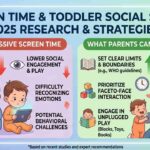
Step 5: Keep Screen Time Intentional (Not Banned)
Many parents feel guilty about screens. But the question isn’t whether to allow them — it’s how.
Occasional educational content, like interactive stories or age-appropriate songs, can support learning when watched together. The problem is passive, solo screen time that replaces active engagement.
If you use a tablet, sit with your toddler. Ask questions. Pause and talk about what’s happening. That transforms screen time into part of your personalized learning routine for your toddler rather than a replacement for it.
For more guidance, the American Academy of Pediatrics offers updated screen time recommendations for toddlers that are worth reading.
Step 6: Build in Rest and Quiet Time
This part gets skipped too often. Toddlers need unstructured downtime — time where they’re not being directed, taught, or stimulated.
Downtime actually supports brain development. It’s when kids process what they’ve learned, make connections, and develop self-directed play.
A good personalized learning routine for your toddler always includes 30–60 minutes of quiet, unstructured time — books, soft toys, or just sitting and watching the world go by.
Step 7: Track What’s Working (Informally)
You don’t need a spreadsheet. Just take mental notes — or a quick voice memo — about what your toddler responded to enthusiastically versus what they refused or got frustrated by.
Did they love the water play activity but hated the flashcard session? Great — do more water play. Add letters and numbers to the water activity. Learning doesn’t have to look like learning.
Adjusting your personalized learning routine for your toddler every few weeks based on what you observe is the whole point of “personalized.”
Step 8: Include Your Child in Simple Decisions
Even a two-year-old can make small choices. “Do you want to do puzzles or drawing first?” This builds autonomy and also tells you a lot about what your child is naturally drawn to.
When toddlers feel some control over their day, they resist routines less. They engage more. The routine stops feeling like something imposed on them and starts feeling like their own.
Common Mistakes to Avoid
Starting too structured: Some parents try to schedule every 15 minutes. Toddlers don’t work that way. Start loose, then tighten slightly if needed.
Comparing to other kids: Your neighbor’s toddler memorizing the alphabet at 2.5 doesn’t mean yours should too. Development varies widely and that’s completely normal.
Expecting consistency from day one: A personalized learning routine for your toddler takes 2–4 weeks to feel natural. Be patient.
Abandoning it after one bad day: One off day (or week) doesn’t mean the routine failed. Toddlers go through developmental leaps, teething, illness — keep going.
Tools and Resources Worth Using
You don’t need to spend much. Some genuinely useful, free or low-cost options:
- Public library programs: Many libraries run free toddler story hours and activity kits.
- PBS Kids (pbskids.org): Age-appropriate, educational content without advertising-heavy apps.
- Zero to Three (zerotothree.org): A research-based organization with excellent free parent guides on early learning.
For parents who want to go deeper, the Zero to Three website is one of the most trustworthy resources on early childhood development available today.
Involving Other Caregivers
If grandparents, a babysitter, or a daycare provider is involved in your toddler’s day, share the basics of your routine with them. You don’t need everyone to do everything the same way — but knowing what activities your child enjoys and what the daily rhythm looks like helps maintain consistency.
A personalized learning routine for your toddler works best when the key adults in their life understand and loosely support it.
Final Conclusion
Creating a personalized learning routine for your toddler at home in 2025 doesn’t require a curriculum, an education degree, or a Pinterest-perfect playroom. It requires attention, flexibility, and a genuine interest in what makes your specific child tick.
Start small. Observe your child. Build rhythms that fit your real life — not an idealized version of it. Adjust as they grow. And remember that the most important ingredient in any learning environment isn’t the materials or the schedule — it’s you, present and engaged.
Toddlerhood passes faster than anyone warns you. The routines you build now don’t just teach your child to count or sort colors — they teach them that learning is something worth showing up for.